New Mexico's 2021 Civil Rights Act has not triggered a wave of lawsuits or police resignations, according to a study presented to state lawmakers on Oct. 29.
The finding runs counter to warnings from local government and law enforcement advocates who argued the law would drive up costs and push officers out. But county risk managers are still pressing for amendments when the Legislature convenes in January, saying insurance costs have become unsustainable for the statewide pool that covers all 33 New Mexico counties.
UCLA School of Law professor Joanna Schwartz co-authored the study, titled "Watching the Sky Not Fall," and presented it to the interim Courts, Corrections and Justice Committee. Her research team sent public records requests to every local law enforcement agency in four states: New Mexico, Colorado, Utah and Washington. Colorado and New Mexico both eliminated qualified immunity for public officials. Utah and Washington did not.
The study covered 2017 through 2023. In New Mexico, 72 of 111 jurisdictions responded. Those 72 agencies police 91.5% of the state's population and employ 89.6% of city and county officers, according to the handout Schwartz provided to lawmakers.
No spike in lawsuits or departures
The data showed no significant increase in lawsuits filed against law enforcement in New Mexico or Colorado. Settlement payouts did not rise significantly either, with no indication the changes were caused by the new laws, according to the study.
Officer resignations and retirements peaked in all four states in 2021. Schwartz said that was likely due to national protests and sentiment regarding law enforcement in the aftermath of George Floyd's murder, not to the civil rights legislation, as first reported by Source New Mexico.
Insurance rates rose across all four states from 2017 to 2023, with no indication the increases in New Mexico and Colorado were tied to the civil rights laws.
Schwartz cautioned that the findings are preliminary. "The evolution of litigation under the Civil Rights Act will take years and will develop as lawyers write and defend cases and judges issue rulings," she said, adding that researchers need more data before making "definitive conclusions."
Counties push for three amendments
Grace Philips, risk management director for the New Mexico Association of Counties, spoke alongside Schwartz and told lawmakers the law still needs changes. She asked for three amendments: cap damages at the original $2 million limit, clarify that collecting damages under both the Civil Rights Act and the Tort Claims Act in the same case is not allowed, and require advance notice before filing suit.
The law initially capped claims at $2 million, but a built-in annual cost-of-living escalator has raised that figure to $2.51 million, according to Schwartz's handout.
"Frankly, we're terrified about the solvency piece," Philips said.
The counties association said in a separate legislative handout that law enforcement liability claims covered by the New Mexico County Insurance Authority grew from $10.9 million in 2020 to over $32.6 million in 2022. The association's priorities document put the increase in county contributions to the insurance pool at 106%, or $17.5 million, from 2020 to 2026. A separate solvency handout listed the increase at 107.3%. The association projected those costs would keep climbing at least 25% annually without legislative action.
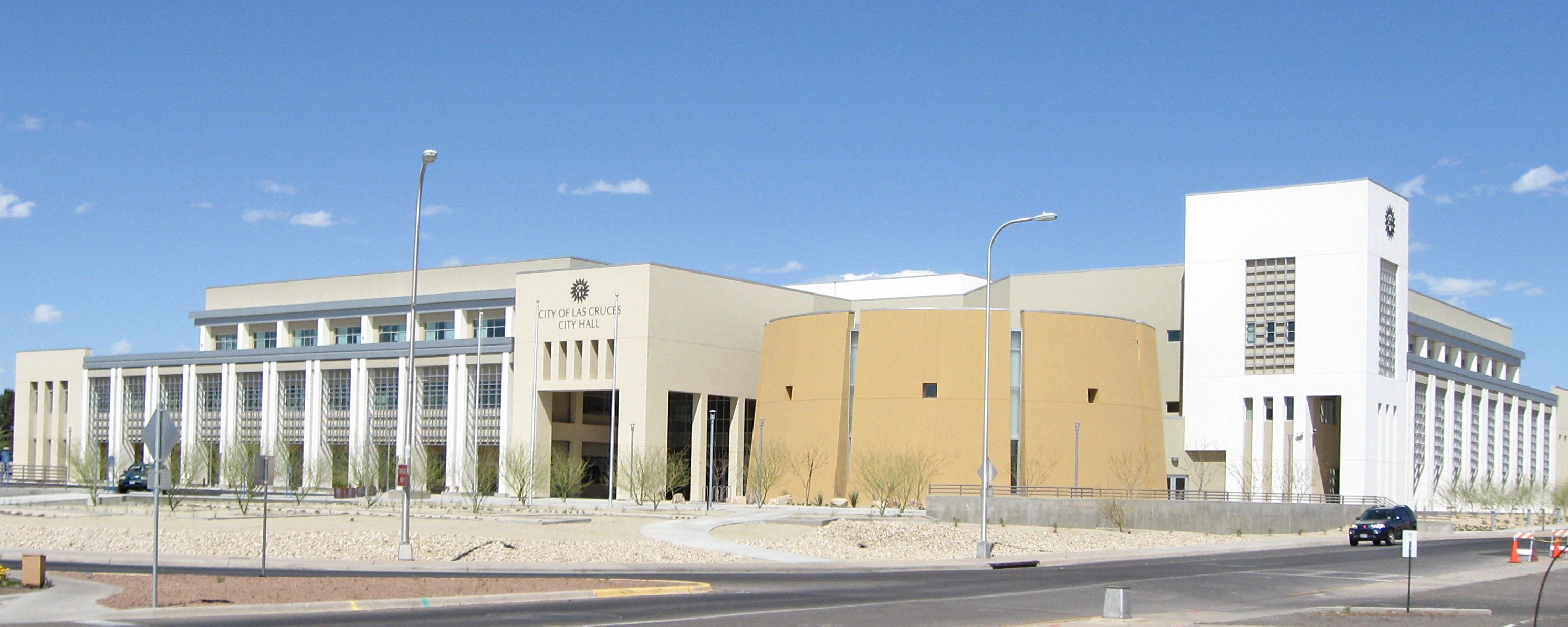
Doña Ana County is one of 33 counties in the insurance pool.
State Rep. Marianna Anaya, D-Albuquerque, pressed Philips on how many settlements had hit the maximum payout. Philips said she did not have that figure. Anaya noted that federal civil rights cases carry no damage cap at all.
The 2027 legislative session begins in January.