Doña Ana County has identified about $17 million in public infrastructure damage from flooding that began Sept. 29, and officials still do not know whether federal money will help cover the bill.
Amanda Bowen, the county's emergency manager, told KRWG that the figure accounts for damage to roadways, water and wastewater systems, dams and arroyos across multiple jurisdictions. Those include the City of Las Cruces, City of Sunland Park, City of Anthony, Elephant Butte Irrigation District, Caballo Soil and Water Conservation District, Doña Ana Soil and Water Conservation District and the county itself. The total could climb as crews reach infrastructure that was underwater or underground during the storms.
About 30 homes were majorly impacted, Bowen said. County teams are still collecting damage assessments and photographs from residents.
The flooding followed two storms in late September: a tropical storm and the outfall from Hurricane Polo. The combination saturated already drought-hardened ground and overwhelmed flood infrastructure. Bowen said the county's systems were built for more typical rainfall, not a worst-case event of that scale.
The Doña Ana County Board of Commissioners unanimously approved a disaster declaration on Oct. 6, according to the county. Board Chair Manuel Sanchez said in the county's announcement that the declaration gives the county additional tools and resources to respond to residents' needs.
New state emergency funding
Gov. Michelle Lujan Grisham approved $8.25 million in new state emergency funding for flood-battered counties and pueblos across New Mexico on Monday, Oct. 26. Doña Ana County, still recovering from devastating September flooding, is not covered by the federal disaster declaration President Donald Trump signed the same day.
The federal declaration covers four northern counties and several pueblos. It does not cover Doña Ana County, where late-September flooding caused at least $17 million in public infrastructure damage and left about 30 homes with major damage, according to county emergency manager Amanda Bowen.
The gap matters locally. Doña Ana County's shot at federal help hinges on a separate Major Disaster Declaration the governor filed Oct. 23 for 14 counties hit by flooding from Sept. 20 through Oct. 2. That request seeks federal help to repair an estimated $27.1 million in public infrastructure damage statewide and is still pending, according to the governor's office.
State spending hits $12 million, but local share unclear
The $8.25 million adds to $3.75 million the governor approved in late September, bringing total state emergency spending to $12 million. Of the new money, $750,000 goes to the National Guard's flood response in San Juan County and $7.5 million to the state Department of Homeland Security and Emergency Management, the governor's office said.
How much will reach Doña Ana County is unknown. Source New Mexico reported it was not immediately clear how the $8.25 million would be divided among affected communities. Lujan Grisham estimated the statewide flooding disaster could cost up to $300 million, according to Source New Mexico's Oct. 26 coverage.
Case management for residents
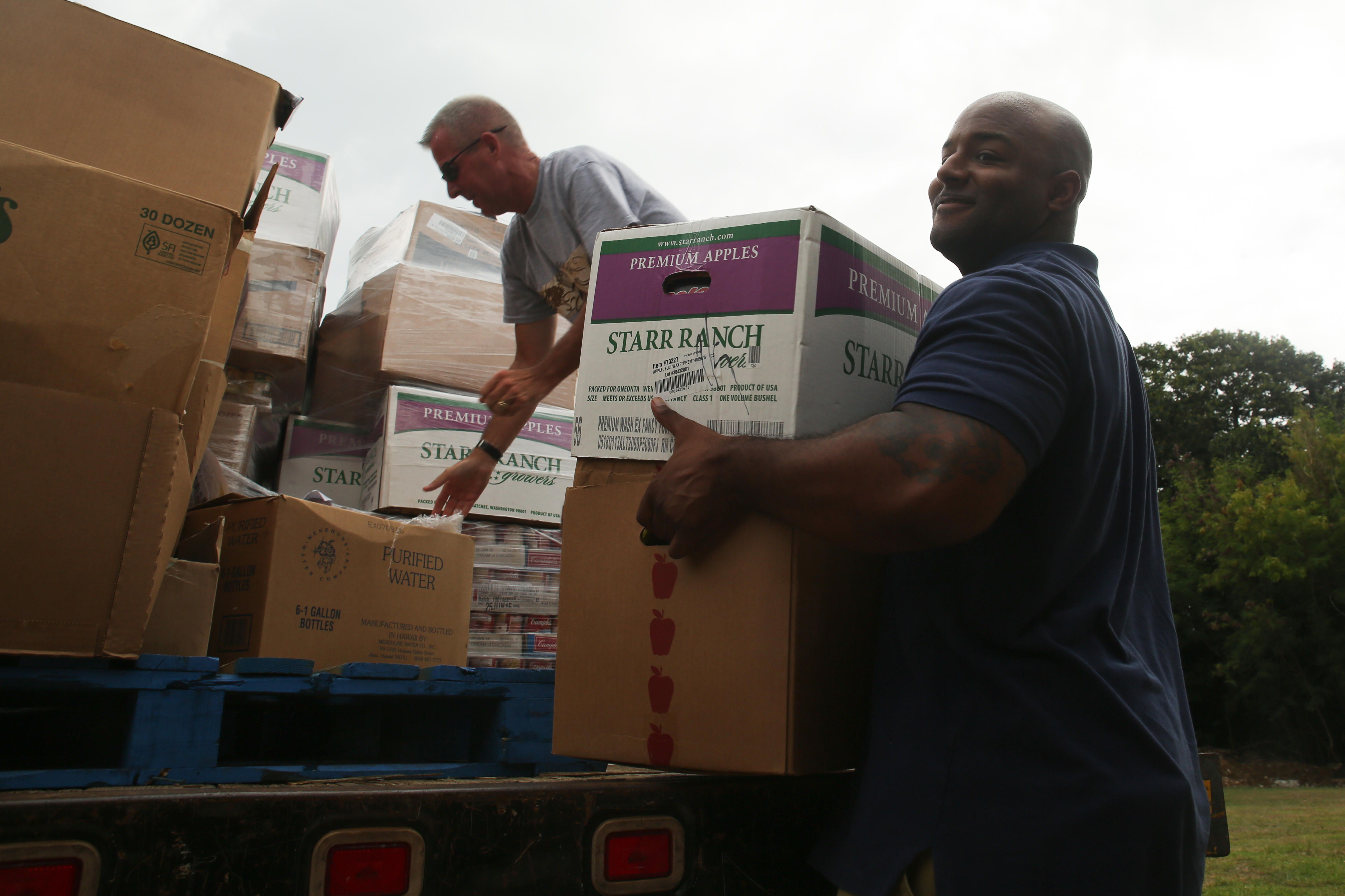
The county has set up what Bowen called "disaster case management," a system that pairs affected residents with a case manager who builds an individual recovery plan. That can mean financial assistance, repair work, removal of damaged sheetrock or connecting residents with nonprofits, Bowen said. Volunteer teams have also been sent to homes to help with cleanup and debris removal.
Residents can report flood damage here or reach a case manager by calling 211.
Recovery measured in years
The timeline is long. Bowen said the county is still working through cases from flooding in Vado in July 2025. A handful of those cases remain open. She estimated the full recovery from last summer's flooding will take about five years and expects the same timeline for the September 2026 storms.
The county has been meeting with state and FEMA officials to request financial assistance for infrastructure repairs, but Bowen said no determination had been made as of her Oct. 23 interview with KRWG.
Some repairs will require engineers and planners, and funding requests for large-scale work like removing sand and silt from behind dams take considerable time, Bowen said.