Democrat Deb Haaland won the New Mexico governor's race Tuesday, Nov. 3, defeating Republican Gregg Hull, according to The Associated Press.
AP declared Haaland the winner at 8:40 p.m. MT, according to the Carlsbad Current-Argus. Haaland, a member of the Pueblo of Laguna, becomes the first Native American woman elected governor of any U.S. state, according to an AP wire report carried by NBC26.
When AP called the race, Haaland had earned 175,561 votes, or 57%, compared with 134,481 votes, or 43%, for Hull, according to unofficial results from the New Mexico Secretary of State cited by the Carlsbad Current-Argus. At that point, 1,270 of the state's 2,204 precincts were partially reporting.
As of 8:56 p.m. MT, the New Mexico Secretary of State's results page showed 327,184 ballots counted statewide out of 1,463,716 eligible voters. Statewide voter turnout stood at 22.35%, with 157 precincts fully reporting and 1,258 partially reporting. Additional ballots were still being processed.
All election-night figures are unofficial. The State Board of Canvass is scheduled to meet Nov. 24 to certify official results, according to Source New Mexico's live election coverage.
Haaland replaces term-limited Democratic Gov. Michelle Lujan Grisham. The Las Cruces Sun-News reported that Democrat Stephanie Garcia Richard also won the lieutenant governor's race, defeating Republican David Gallegos.
What is at stake
New Mexico's governor signs or vetoes legislation, sets the state budget with the Legislature, appoints cabinet secretaries and leads the state's executive agencies. The office shapes policy on education, public safety, healthcare, water, energy and economic development.
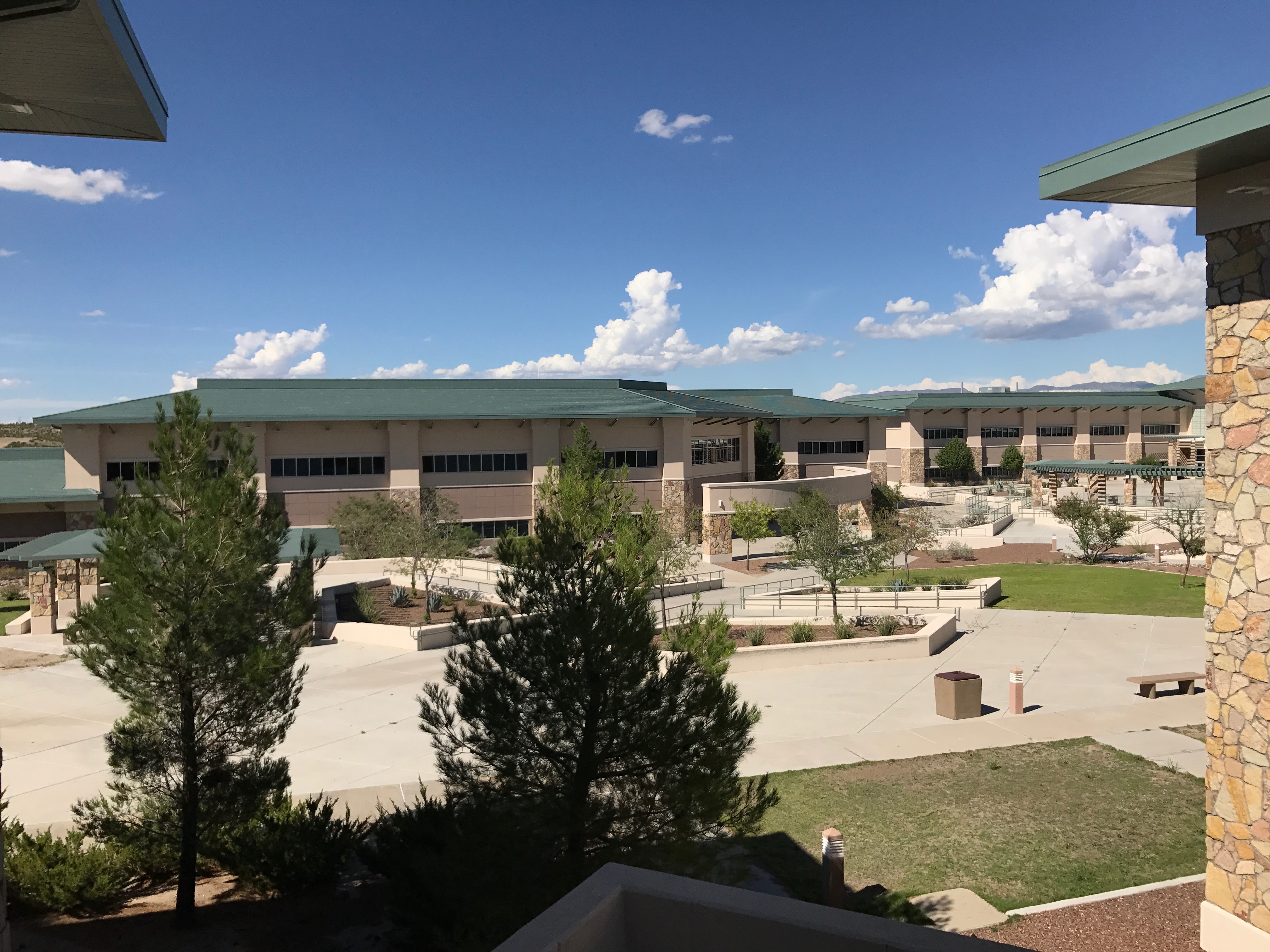
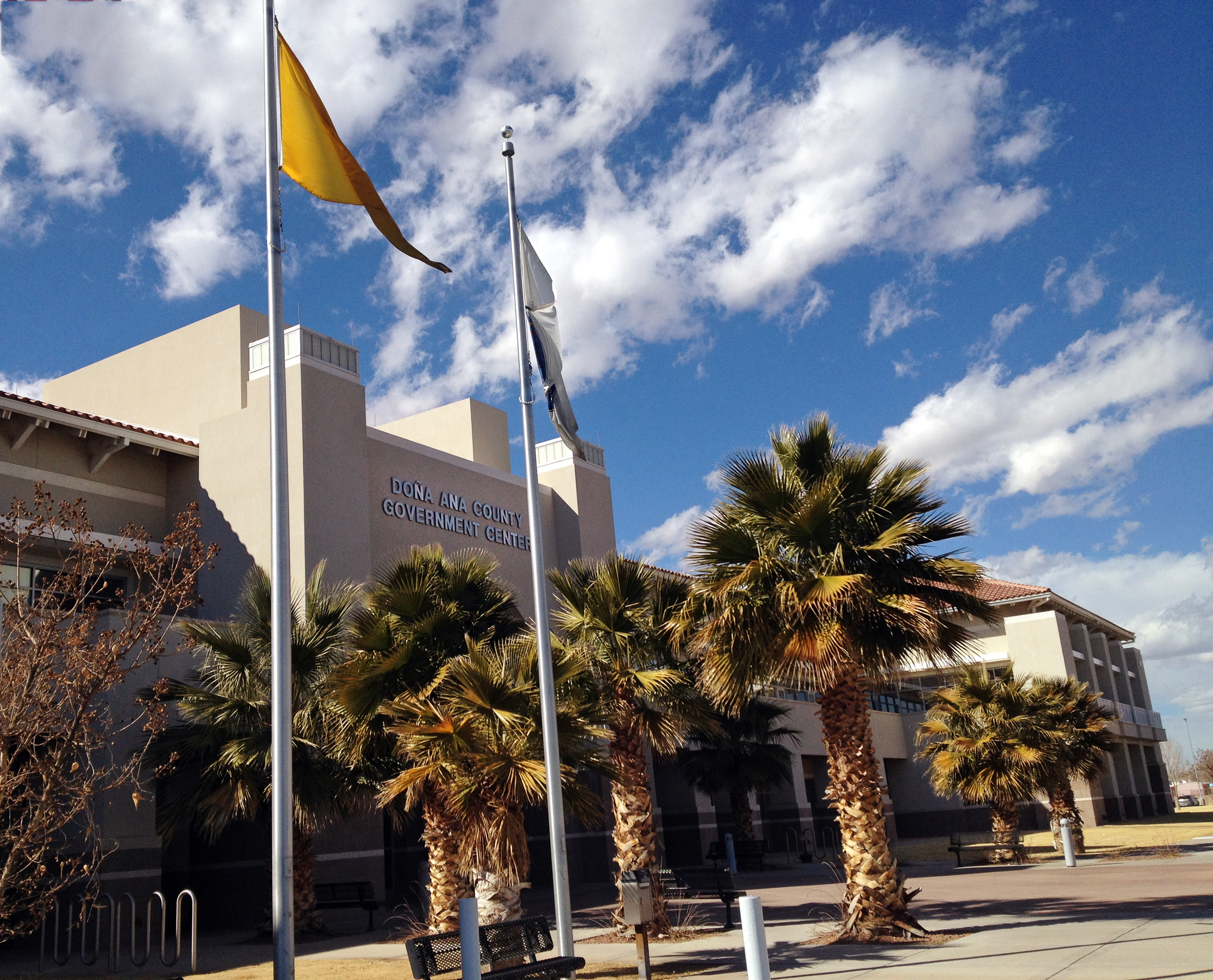
For southern New Mexico, the race carries particular weight. The proposed Project Jupiter data center in Doña Ana County has become a flashpoint. Oracle is set to build the facility in Santa Teresa, and it is expected to be one of the largest data centers in the nation, according to the Daily Lobo. The candidates disagree on how to handle it.
Deb Haaland, Democrat
Haaland, 65, lives in Albuquerque and is a member of the Pueblo of Laguna, according to a Santa Fe New Mexican candidate questionnaire. She holds a law degree from the University of New Mexico.
Her political career includes serving as chair of the Democratic Party of New Mexico, representing Congressional District 1 and serving as U.S. secretary of the interior. She told KUNM she managed a department with 70,000 employees and an $18 billion budget as interior secretary.
Haaland listed three first-session priorities in the questionnaire: overhauling the Children, Youth and Families Department (CYFD), issuing a moratorium on new large-scale data centers and working with the Legislature to protect healthcare.
On affordability, she said she wants to raise the minimum wage, increase the Child Tax Credit and expand the Working Families Tax Credit. On energy, she told KUNM she supports the state's goal of net-zero emissions by 2050 and wants to diversify New Mexico's energy portfolio through solar, wind and geothermal development.
On public safety, Haaland said in the questionnaire she would launch a State Office of Community Safety and work to pass a Stop Illegal Gun Trade Act.
She said she would push back against the federal government on behalf of New Mexico, telling KUNM she would press the state's issues in Washington and would not be opposed to pursuing legal action.
Gregg Hull, Republican
Hull, 60, lives in Rio Rancho and is a small business owner, according to the Santa Fe New Mexican questionnaire. He served as mayor of Rio Rancho from 2014 to 2026.
Hull said in the questionnaire that during his time as mayor, Rio Rancho grew from about 93,000 residents to nearly 113,000 without raising the sales tax. He said he doubled the police budget. According to New Mexico Political Report, Hull's running mate is state Sen. David Gallegos of Eunice.
Hull's top priorities include reforming CYFD, phasing out the personal income tax and improving K-3 reading and career-technical education. His "Four Steps to Zero" plan would exempt the first $25,000 in taxable income for single filers and $50,000 for couples in the first year, with full elimination by the fourth year, according to the New Mexico Political Report.
Hull said in the questionnaire that one-time oil revenue should go to roads, water infrastructure and reserves. He opposes new fuel taxes and said he would review state policies that raise fuel costs, including the Clean Fuel Standard.
On healthcare, Hull said he would reform medical malpractice laws, fight for competitive reimbursement rates and expand telehealth. On public safety, he said he would increase police presence statewide and fix pretrial release rules. He does not support new gun control measures, according to the questionnaire.
On Project Jupiter, Hull said in a press release cited by the Daily Lobo that he would evaluate each project on its merits and protect water and communities. He did not call for a moratorium.
Campaign finance
The race features a wide fundraising gap. Haaland has raised approximately $20.5 million and spent nearly $19.6 million over the course of the campaign, while Hull's total spending stands at just over $2.6 million, Piñon Post reported, citing an Albuquerque Journal analysis published Oct. 29.
What comes next
County and state canvassing will take place over the coming weeks. The State Board of Canvass is scheduled to meet Nov. 24 to certify official results and order any automatic recounts, according to Source New Mexico. Federal and statewide races that finish within 0.25% of votes cast trigger an automatic recount under New Mexico law, according to Piñon Post's election-day analysis.